Selling your home in Boerne can feel like a long list of decisions. What should you fix, what should you leave alone, and what actually helps buyers connect with the space? The good news is that effective staging is usually less about big renovations and more about creating a clean, calm, easy-to-read home that buyers can picture themselves living in. If you want a practical plan that fits Boerne’s market and Hill Country setting, this guide will walk you through it. Let’s dive in.
Boerne has grown quickly in recent years, with the city increasing from 17,850 residents in 2020 to 22,712 in 2024. That growth, along with a strong owner-occupied housing base, means many sellers are preparing homes for buyers who want spaces that feel finished, functional, and easy to maintain.
In that kind of market, presentation matters. According to the National Association of REALTORS® 2025 Profile of Home Staging, 83% of buyers’ agents said staging made it easier for buyers to visualize a property as a future home. The same report found that 49% said staging reduced time on market, and 29% said it increased the dollar value offered by 1% to 10%.
That does not mean you need a full redesign before listing. In most cases, the goal is to reset the home so its best features are easier to notice.
Before you spend money on updates, focus on the basics that make a home feel larger, lighter, and more move-in ready. Buyers respond well to homes that feel orderly and easy to understand.
A smart order of operations is:
This sequence works because it addresses what buyers see first. It also helps you avoid over-renovating when simple edits may do more for the home’s presentation.
If you are short on time or budget, put your effort where it counts most. The rooms most commonly staged are the living room, primary bedroom, and dining room. Bonus spaces like offices also matter because buyers want to understand how each room can function.
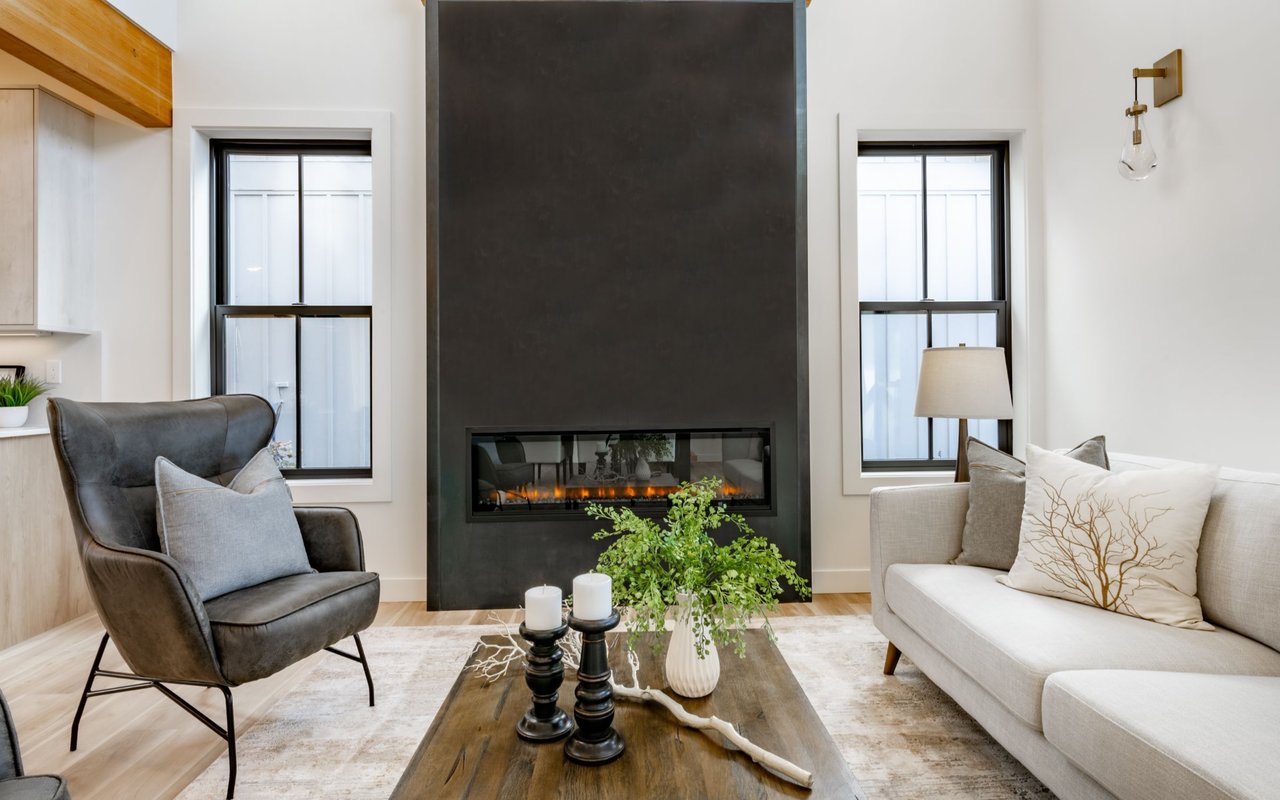
Your living room often shapes the emotional tone of the showing. Buyers tend to notice light, scale, and flow right away, so this room should feel open and balanced.
Start by removing extra furniture that makes the room feel tight. Clean the windows, replace bulbs so the lighting is consistent and warm-white, and keep walkways open. If the room has too many photos, accessories, or oversized pieces, edit it down to a few simple elements.
A cleaner setup might include one mirror or artwork piece, one lamp, a simplified seating arrangement, and a large rug that properly fits the space. The goal is not to make the room look empty. It is to make it feel calm and easy to move through.
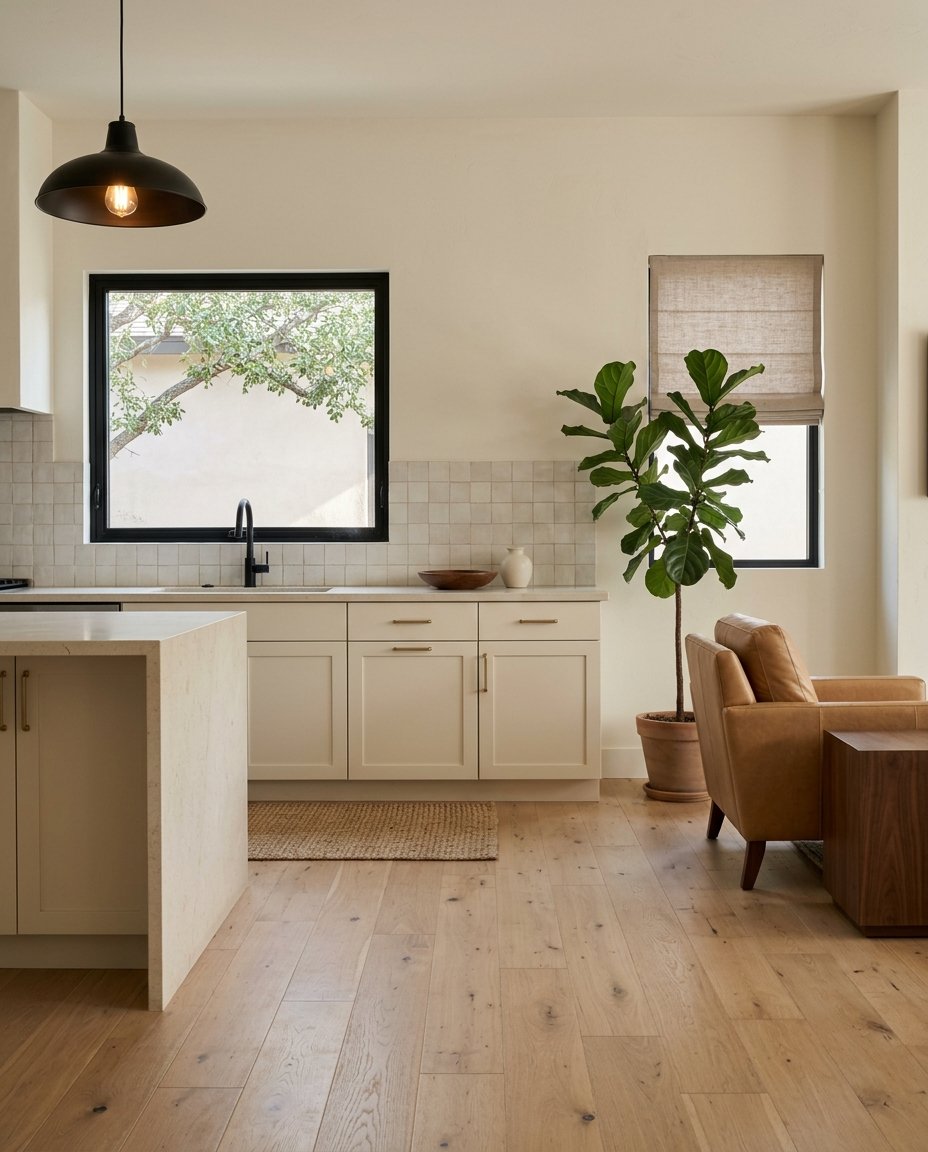
In the kitchen, buyers want to imagine daily life. They look for clean surfaces, good light, and a sense that the space works well for cooking and gathering.
Clear the countertops so only two or three intentional items remain. Remove papers, magnets, and visual clutter from the refrigerator. If you have bar stools, use matching ones when possible, and make sure under-cabinet or overhead lighting is bright and consistent.
The dining area should also read clearly. Even if you rarely use it, avoid letting it become a catch-all for storage, paperwork, or workout gear. A simple centerpiece and an obvious dining or hosting setup can help buyers understand the room’s purpose.
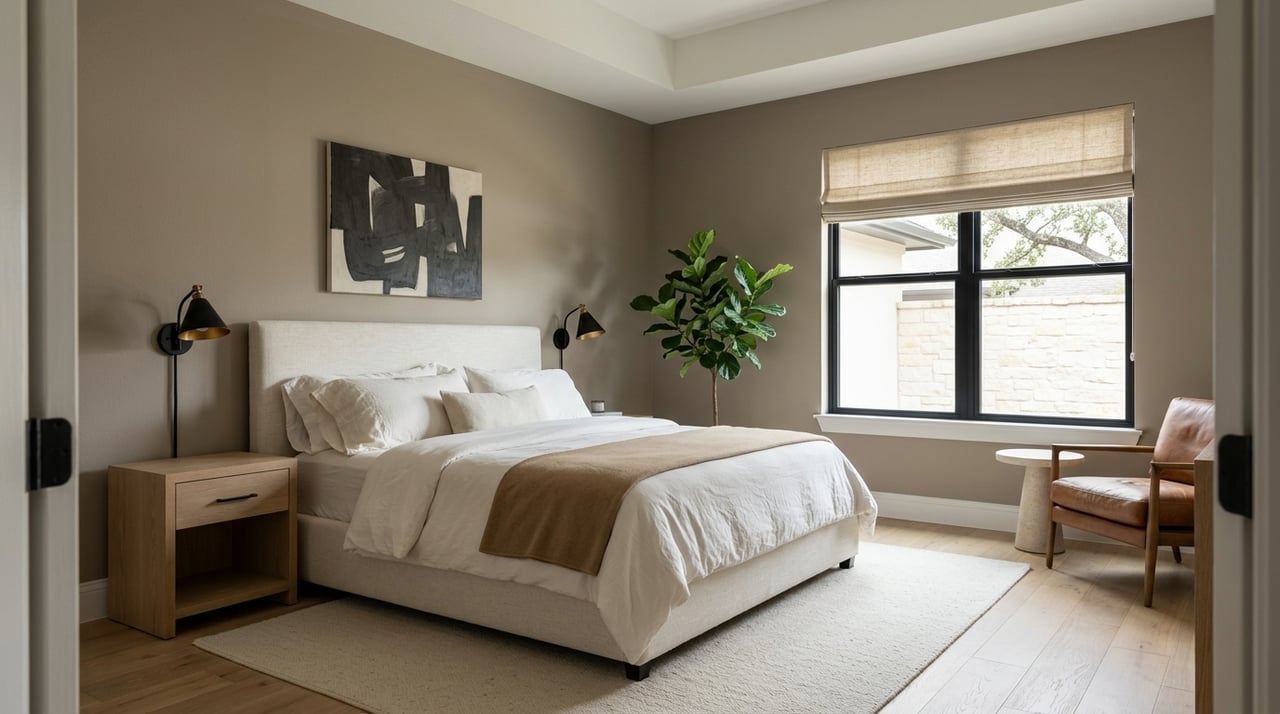
The primary bedroom should feel restful and spacious. This is one of the highest-impact rooms to stage, and small changes can make a major difference.
Use neutral bedding with a layered, finished look. Remove laundry baskets, pet items, and excess furniture that crowds the room. Paired lamps, clear surfaces, and fewer but larger accessories usually work better than many small decorative pieces.
Closets matter too. Clear closet floors and reduce what is stored inside so the space looks roomy rather than packed.
Every bedroom should have a clear role. If a room is a guest room, stage it as a guest room. If it functions best as an office, make that obvious.
Ambiguous rooms can create confusion during showings. A room with a treadmill, random storage bins, and a desk may leave buyers unsure of its size or use. Clear function helps buyers understand the home faster.
These spaces do not usually need major updates to show well. They need to look bright, clean, and organized.
In bathrooms, remove bottles and personal items from counters, refresh towels, and make sure lighting is flattering and even. In laundry rooms, mudrooms, closets, and cabinets, focus on neatness and visible storage capacity. Buyers often judge storage by what they can see, so stuffed shelves can work against you.
When you are selling, your home does not need to reflect every bit of your personal taste. It needs to appeal to the broadest pool of likely buyers.
That is why neutral walls, simplified décor, and edited styling tend to perform well. Neutrals help buyers focus on the home itself rather than strong colors, bold themes, or very specific design choices.
This does not mean the home should feel bland. You can still create warmth through texture, natural light, wood tones, fresh towels, clean rugs, and a few thoughtful accessories. The best styling feels polished, functional, and understated.
Lighting is one of the easiest ways to improve how your home shows. A well-lit room feels cleaner, larger, and more inviting.
Open window coverings to let in natural light where possible. Replace burned-out bulbs, and use consistent warm-white bulbs across visible fixtures so the home feels cohesive. If lamp shades are dark or dated, switching them out can freshen the room without a big expense.
This is often a better first move than buying more decorative items. Good light makes almost everything else look better.
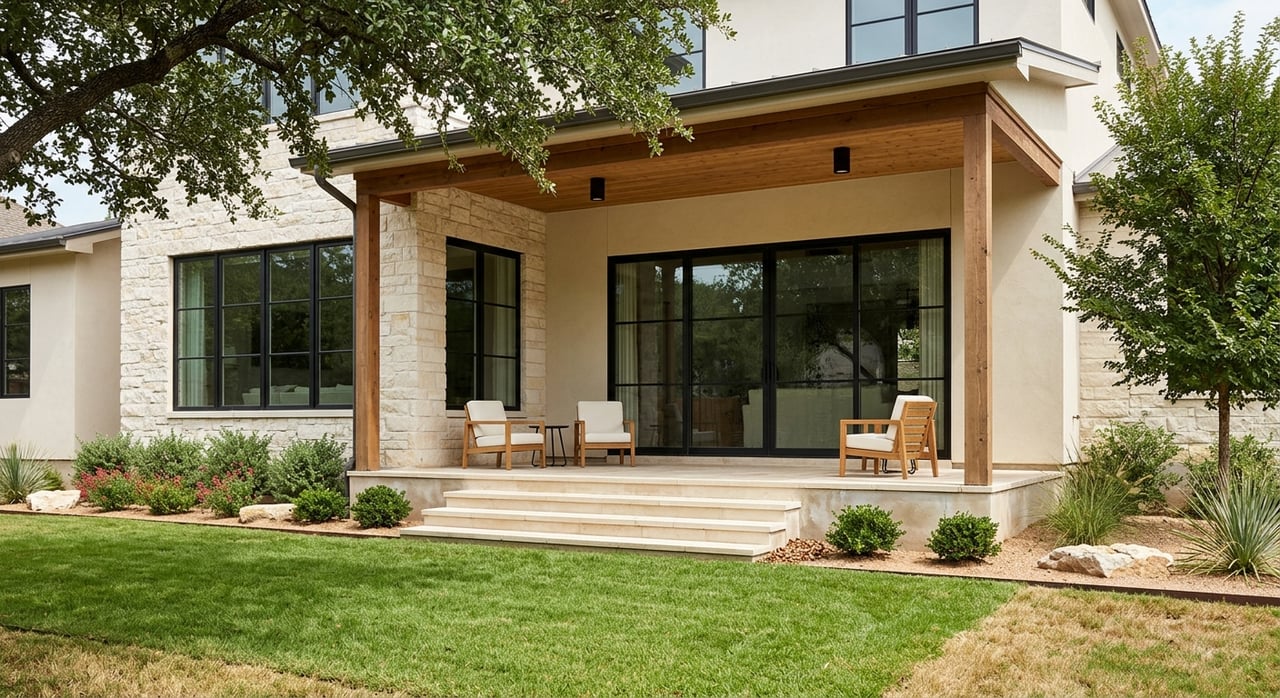
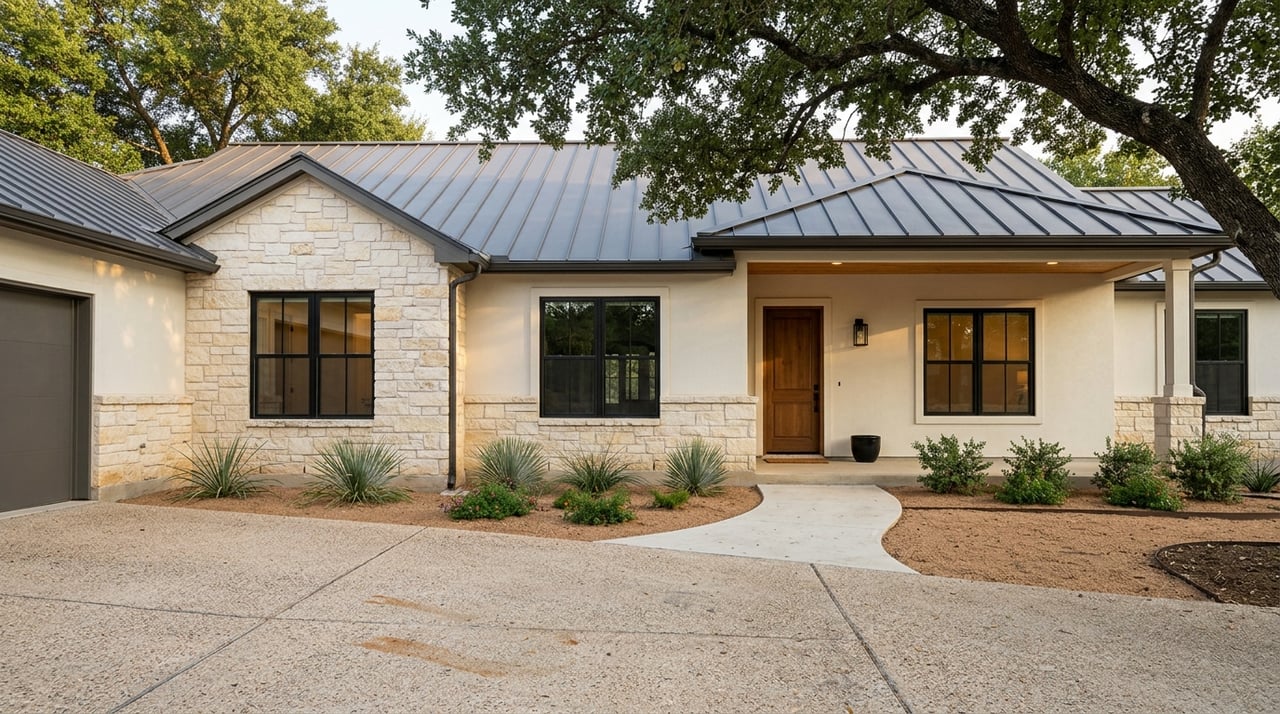
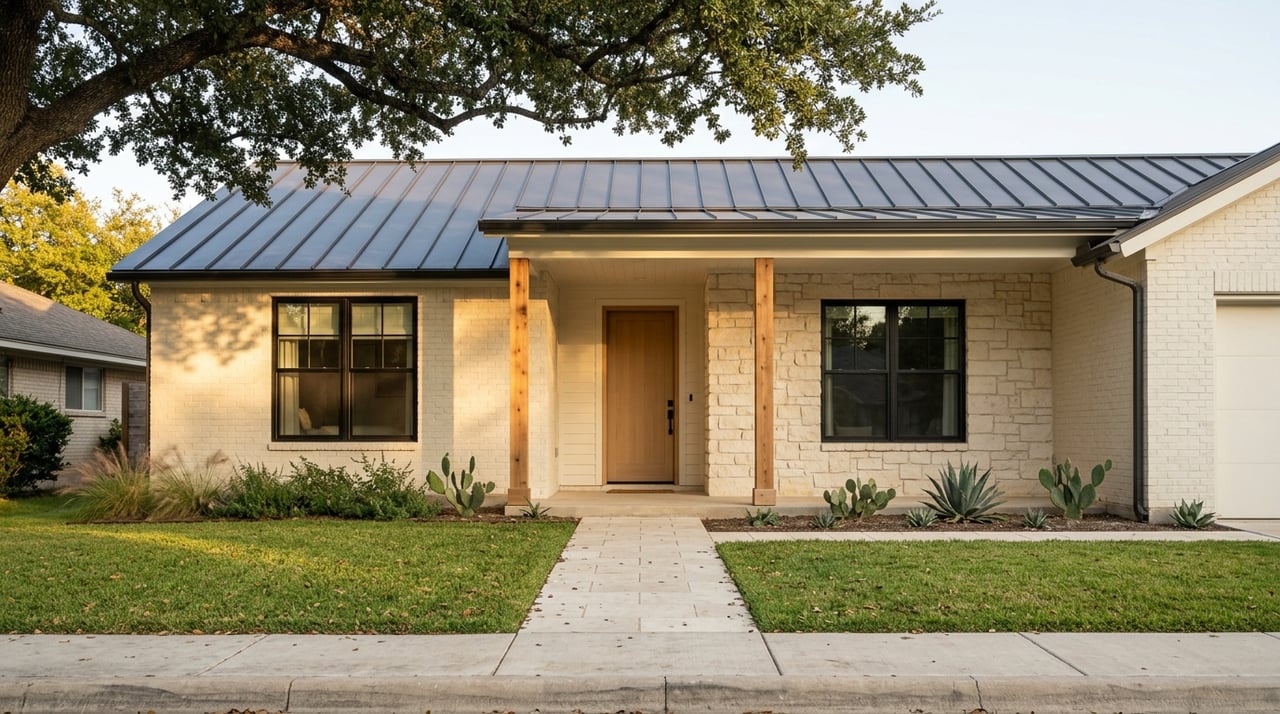
Boerne’s Hill Country setting calls for an exterior approach that feels clean, regional, and manageable. Texas Parks and Wildlife describes the region as rolling to hilly grassland with stony hills and steep canyons, and Boerne averages 37.36 inches of rainfall per year. That makes water-wise landscaping and low-maintenance plantings a sensible choice for curb appeal.
Texas A&M AgriLife notes that native plants are often more resistant to drought, insects, and disease, and that grouped plantings and accent plants near the entrance can help connect the landscape to the home’s architecture. For sellers, that means simple improvements often make more sense than a high-maintenance makeover.
Focus on these exterior basics:
For many Boerne homes, the strongest look is restrained and well-kept. Buyers often respond better to a home that looks thoughtfully maintained than one that feels overworked.
If your home is in Boerne’s Historic District, pause before making exterior updates. The City of Boerne says the district was established in 1985 and includes more than 150 properties with planning, zoning, and design requirements intended to keep buildings and site elements consistent with historic character.
The city’s guidelines state that a Certificate of Appropriateness is generally required for construction, alteration, demolition, or removal within the district. Some work may not require it, such as minor maintenance, interior changes, plant material installation, roof replacement with identical materials, or exterior painting with identical paint colors.
If you are considering changes to paint, windows, doors, masonry, or porches, it is wise to verify what is allowed before spending money. That step can protect your timeline and help you avoid unnecessary setbacks before listing.
When sellers feel pressure, it is easy to overdo the prep. In most cases, staging works best when it simplifies the home instead of trying to transform it into something else.
Try to avoid these common mistakes:
A thoughtful, edited home usually shows better than one with too much furniture, too many projects, or too many distractions.
If you want to keep things manageable, think of staging in three phases. First, reset the inside by decluttering, cleaning, neutralizing, and improving light. Next, focus on the key rooms that shape buyer perception most. Finally, finish with curb appeal that fits Boerne’s Hill Country character and, if relevant, local historic district rules.
This kind of plan works because it supports what buyers need most. They want to understand the home quickly, imagine living there comfortably, and feel confident that the property has been cared for.
If you are preparing to sell in Boerne and want calm, design-aware guidance on what to change, what to skip, and how to present your home well, Amber Howell-Higgs can help you create a thoughtful plan that fits your property and your goals.
Whether you’re buying your first homes, selling trust properties, or navigating probate sales, our goal is always the same: to provide honest guidance, strong advocacy, and smooth experiences from beginning to end. Real estate is about people, not just properties. We would be honored to help you take your next steps.